

NG-SERPA


3
Utilities
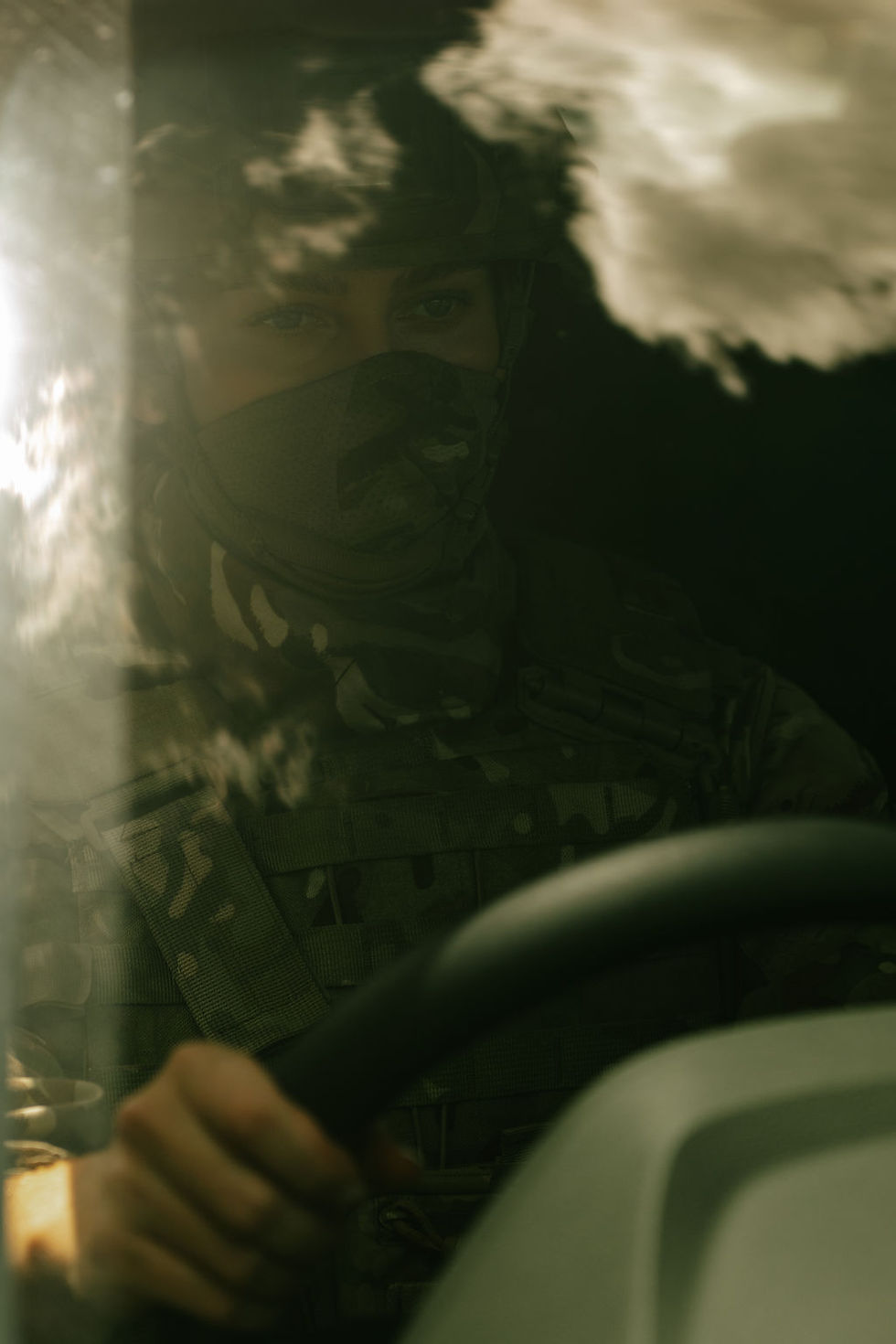
Designed with a fit-to-face custom toggle system. It includes a fast extraction cut-way lines for paramedics.
2
Breathability
Highly breathable mouth-section mitigates moisture build up with additional rear air pockets.
1
Protection
Our lightweight ballistic lower section deals with frag whilst the upper is FR.
NG-SERPA Editions


centaur Black
Conda Olive
Addax Desert
Deep Dive
Combat wounds to the neck and throat represent one of the most lethal categories of battlefield trauma. Accounting for approximately 10% of all battle injuries in recent conflicts, penetrating neck injuries (PNI) carry a mortality rate ranging from 10% to 41% — a grim reflection of just how unforgiving the human neck is as a target. Packed with critical vascular structures, airways, and the cervical spine within an exposed and relatively unprotected column of anatomy, a single fragment finding its mark can prove rapidly fatal, often before any meaningful intervention is possible.
Human Trials
International Live Exercise
Germany
Warminster - UK
Norway
NG-SERPA completed six weeks of continuous live exercise testing in Germany as part of a NATO exercise programme, subjecting the system to sustained real-world wear under operational conditions. The extended trial period provided robust evidence of durability and comfort across a demanding, multi-week deployment cycle.
NG-SERPA underwent formal Human Factors Integration (HFI) trials at the Army Trials Unit (ATU), Warminster, assessing fit, comfort, and compatibility with existing personal equipment. These trials generated structured HFI data used to refine the system's ergonomics for frontline use.
NG-SERPA was field-tested with the Royal Marines during Arctic training in Norway, evaluating performance and wearability in extreme cold-weather conditions. The trials confirmed the system's reliability and comfort in one of the most physically demanding operational environments.
NG-SERPA was trialled with the Royal Marines during hot/humid training in Louisiana, USA, testing performance under sustained heat and humidity. The trials provided valuable data on heat management and load carriage compatibility, directly informing ongoing product refinement.
Louisiana - USA

Product Testing
A robust and precise testing methodology in the UK.
Human Factors & Integration
-
(HFI) Approach and Assessment Results Methodology. Three regular dismounted close combat (DCC) SP (Infantry JNCOs) were asked to carry out several military activities and to answer a questionnaire during the assessment (activities were metricised via time or scaled questions). The equipment worn and used by the SP was In-Service equipment only (clothing, VIRTUS, hearing protection and weapons). The location of the assessment was completed at the Army Trails Unit Warminster on the 18 Nov 25.
Overall confidence: SP initial views were of high confidence in areas assessed.


Intellectual Property
Improving survivability and mobility for modern military personnel.
Intellectual Property
-
BCE Defensive is currently developing proprietary protective technology under patent-pending status. Certain technical aspects of the system are intentionally withheld from public disclosure while intellectual property protection is ongoing.
-
The system is designed to integrate with modern soldier equipment while preserving freedom of movement and communication capability.
Development Status
-
Prototype development completed
-
Ballistic testing aligned with NATO fragmentation testing methodology
-
Ongoing evaluation and refinement
-
Lightweight ballistic protection systems
Detailed technical specifications are available to defence organisations and partners upon request.